Walkways and Granite Steps on the Seacoast of New Hampshire
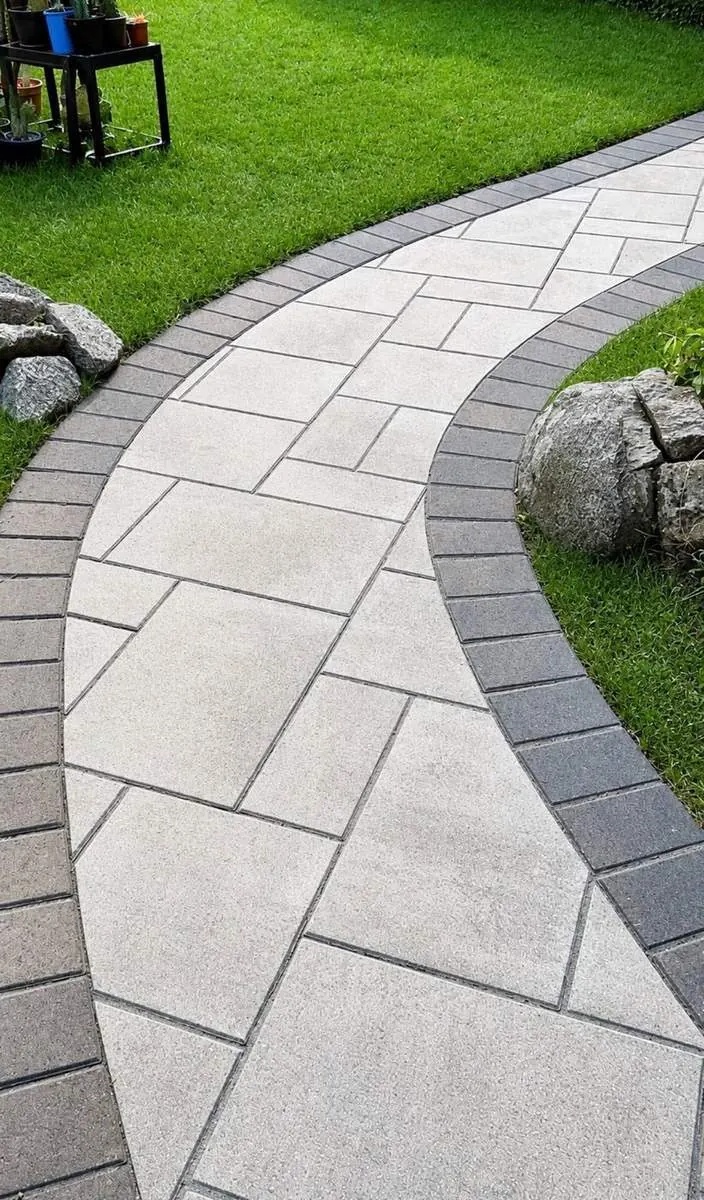
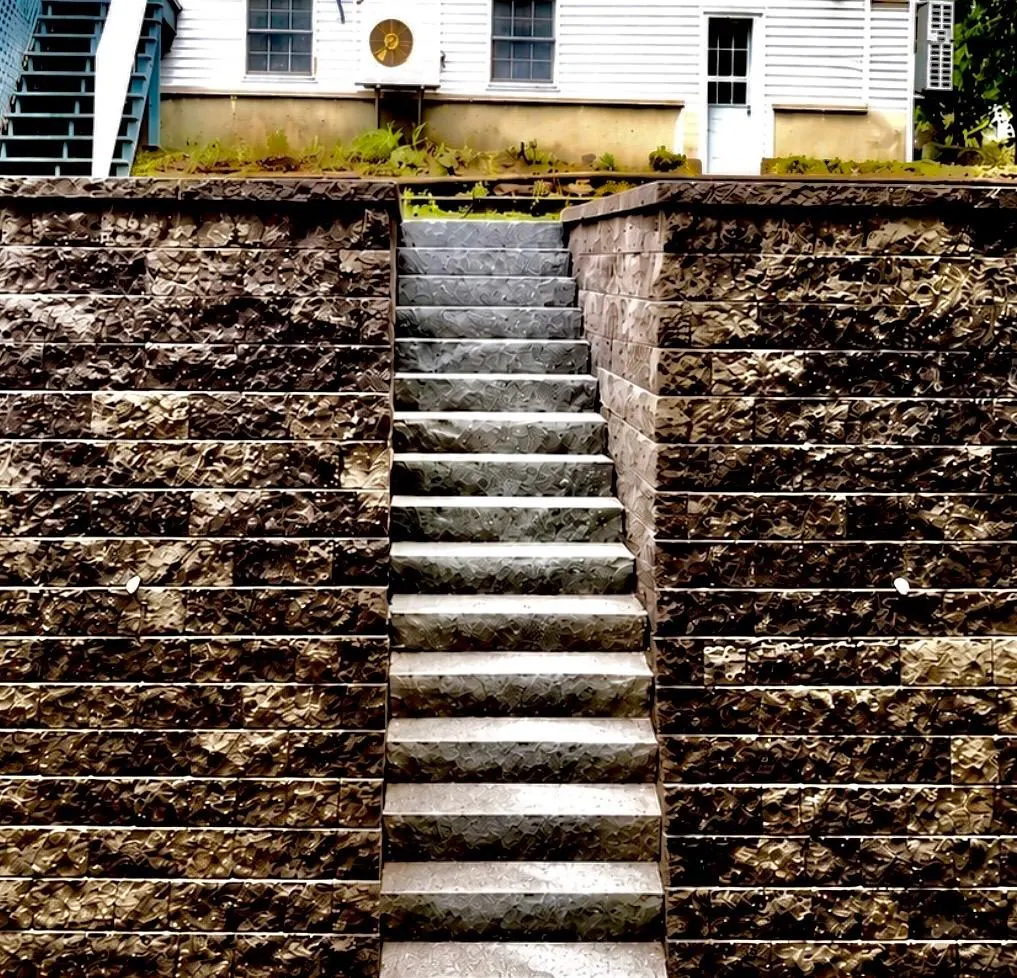
Paver and natural stone walkways and granite entry steps, built for durability, clean lines, and performance that lasts in New England conditions.
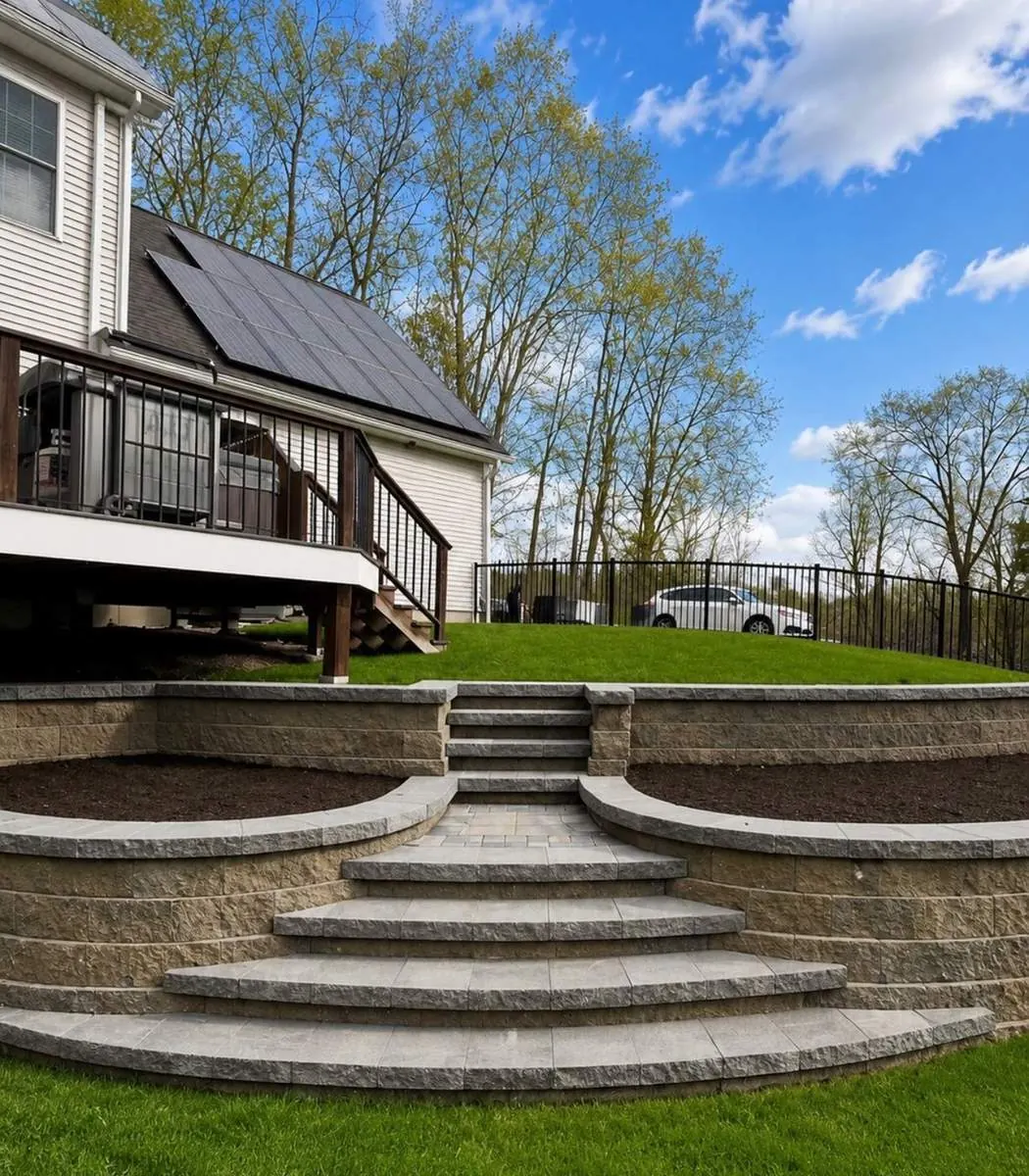
Walkway Projects
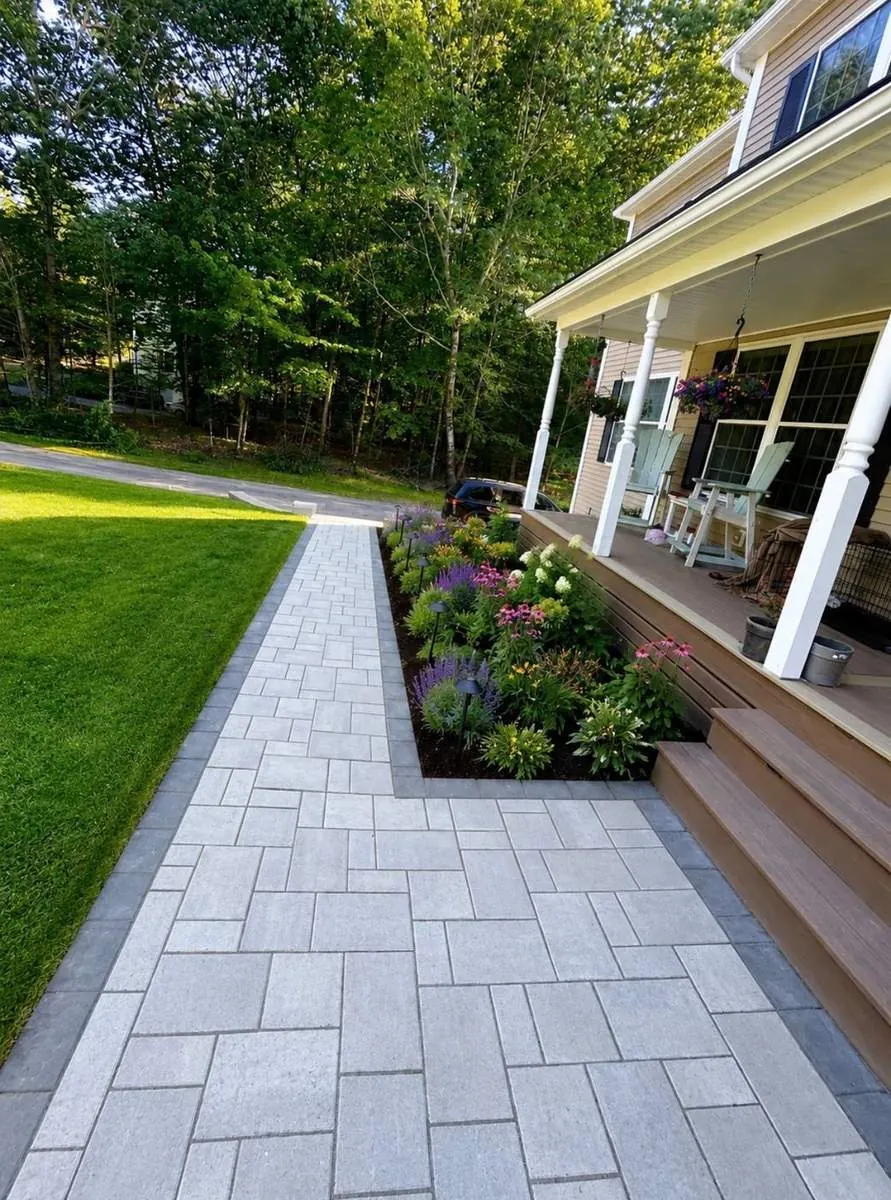
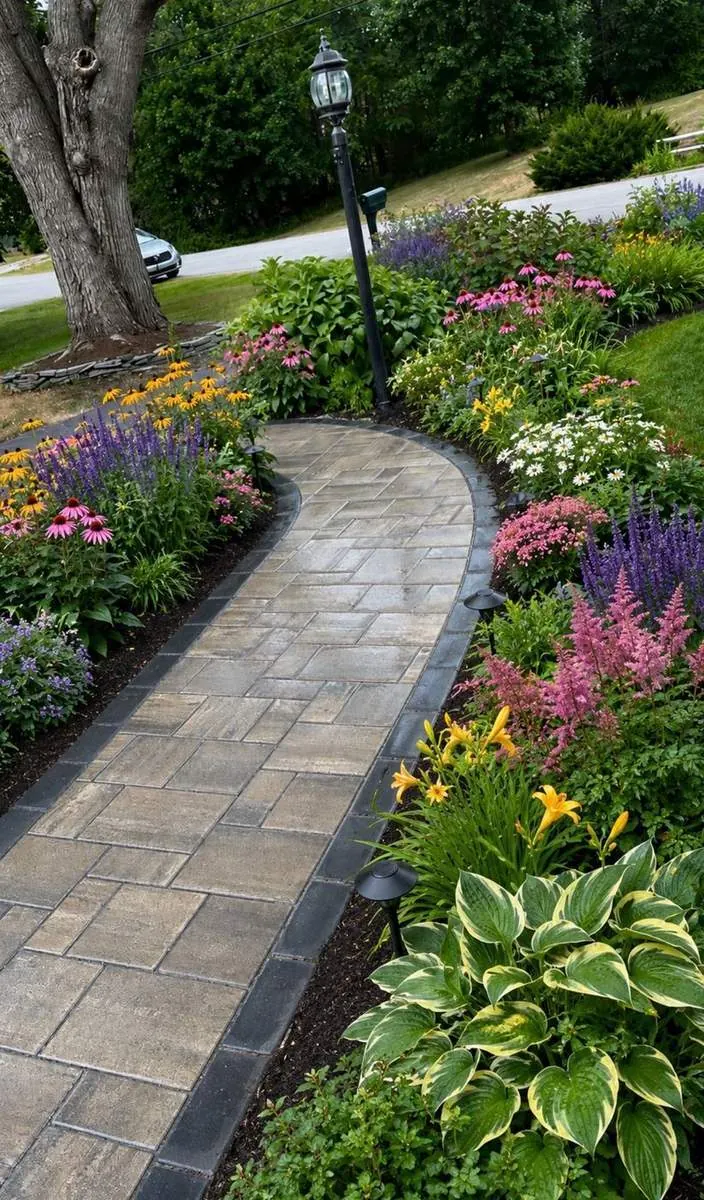
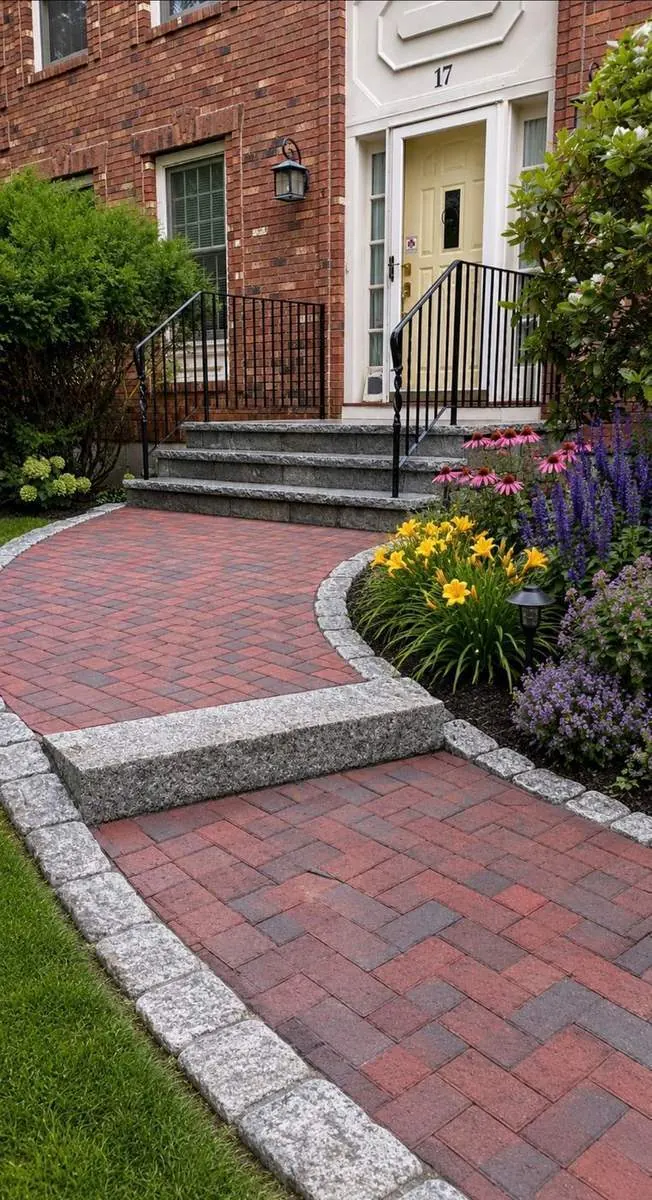
Rebuilding a Cracked, Settled Brick Walkway
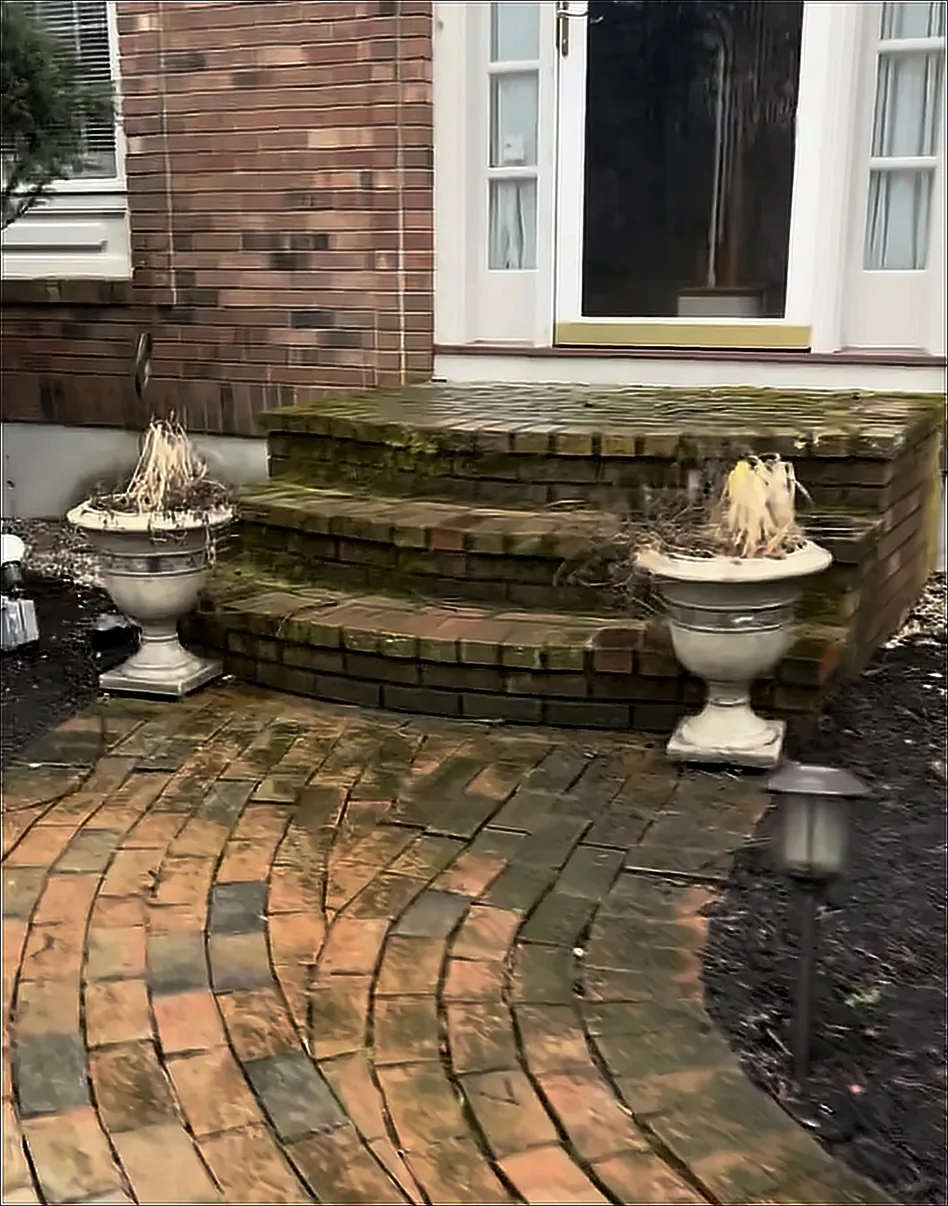
A lot of Seacoast homes still have their original brick walkway and steps. Over time the brick cracks and settles, and the entry stops matching the rest of the house.
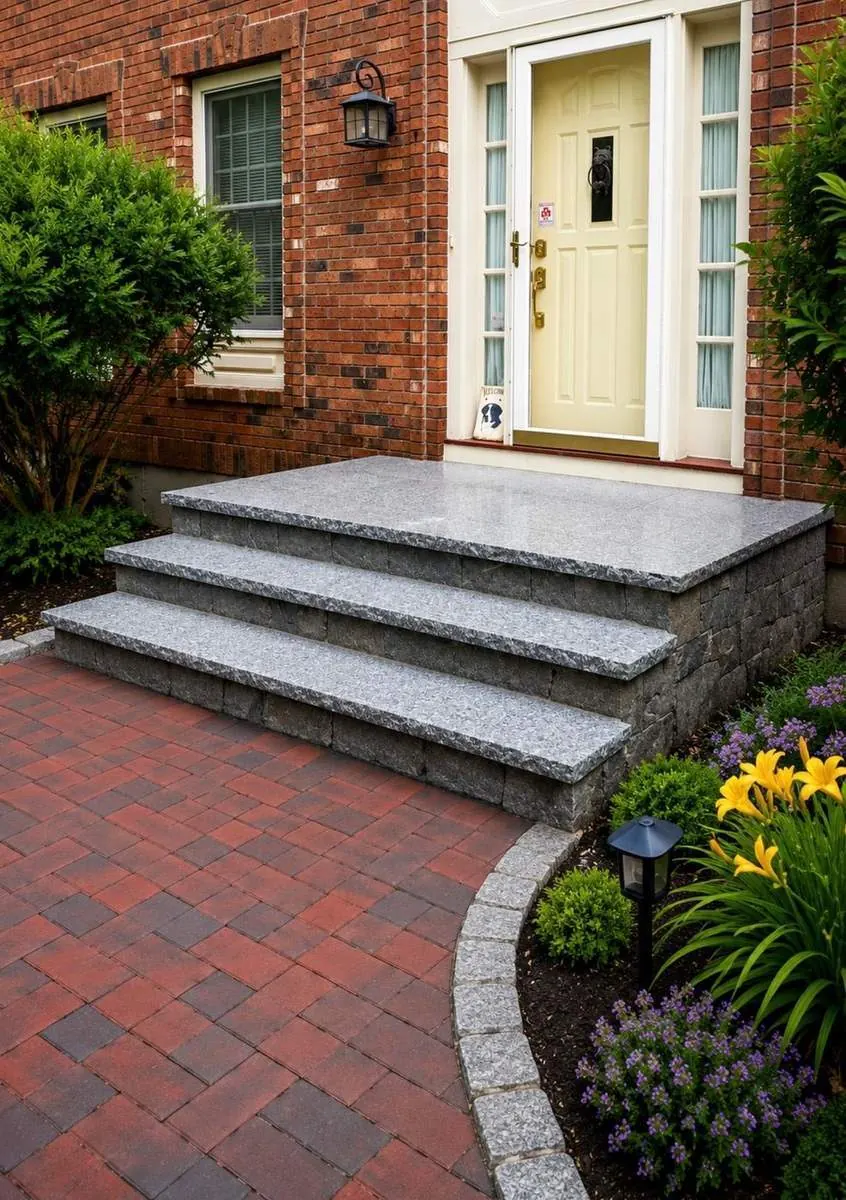
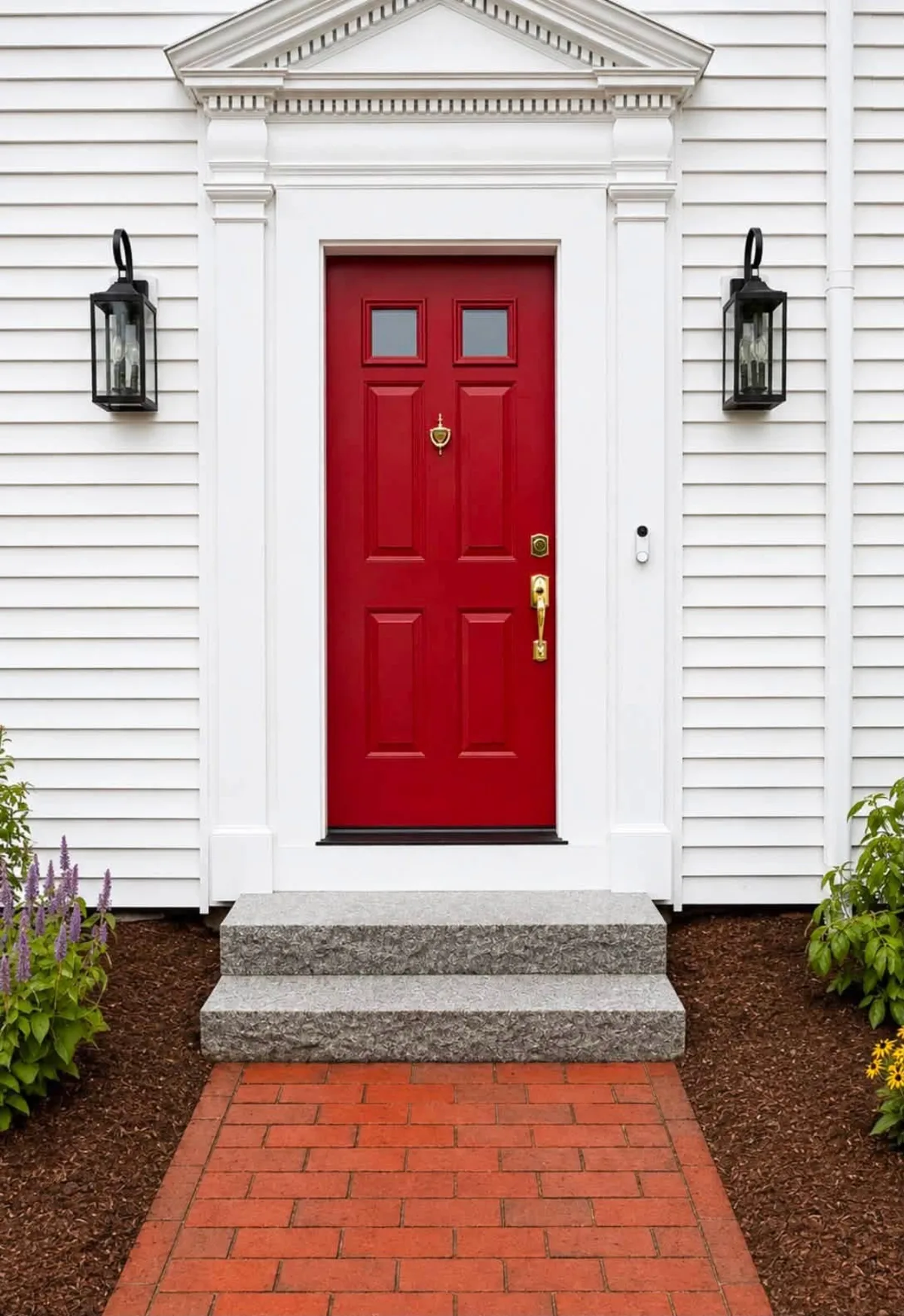
On this project we rebuilt a cracked, settled brick path as a granite edged paver walkway on a proper base, in the same footprint. New granite steps and edging replaced the old worn brick.
Same footprint, completely different entry.
Have an old brick walkway or steps? Tell us what is there now in the form below.
Steps Take More Abuse Than Anything Else on Your Property
Every winter your steps get walked on, salted, shoveled, and hit with freeze and thaw.
Concrete steps cost less up front, but concrete is porous. Water gets into small cracks, freezes, and expands, and over a few New Hampshire winters that turns into chipping and flaking.
Granite is dense and holds up to the freeze and thaw that wears concrete down. It costs more up front, with no resurfacing and no patching later.
Setting matters as much as the stone. We set steps level on a compacted base, with a consistent rise and run, so they are safe to use and not just good looking.
The full comparison is on our blog: Granite Steps vs. Concrete Steps.
A Walkway Built Right Starts Below the Surface
Most walkway failures happen underground. Improper base depth, no compaction, and missing edge restraints cause shifting and heaving within a few seasons. We build it right from the ground up every single time.
Full Excavation
Proper depth excavation for the base system the project requires. No shortcuts.
Compacted Gravel Base
Structural integrity comes from below. We compact in lifts to prevent future settlement.
Proper Pitch for Drainage
Every walkway is graded so water drains away from structures and doesn't pool.
Edge Restraints & Polymeric Sand
Prevents movement and joint erosion, keeping everything tight and level long-term.
- +Paver walkways
- +Natural stone paths
- +Granite steps + landings
- +Front entry walkways
- +Brick walkway replacement
- +Entry steps rebuilt in granite
- +Backyard + garden paths
How We Install Your Walkway
Walkway Questions
What walkway materials hold up through NH winters?
Pavers and natural stone, installed over a compacted gravel base. The material matters less than what is underneath it. A proper base keeps the surface flat and tight through freeze and thaw.
Will shoveling or plowing damage my walkway?
A properly installed walkway handles normal snow removal fine. Edge restraints and polymeric sand keep everything locked in place so shovels glide over the surface.
How wide should a walkway be?
Enough for two people to walk comfortably side by side on a main entry, usually four feet or more. Garden paths can run narrower. We size it to how you actually use the space.
How do I get a price for a walkway?
Send the form below or give us a call. We measure the run, talk through materials, and get you a clear quote. We typically respond within one business day.
Should I choose granite or concrete steps?
Concrete costs less up front, but it is porous, so freeze and thaw wears it down over a few New Hampshire winters. Granite costs more and holds up with no resurfacing or patching. For a short term fix or a rental, concrete does the job. For a home you plan to stay in, granite is the better long term investment.
Can you replace an old brick walkway and steps?
Yes, we have rebuilt cracked, settled brick walkways as granite edged paver walkways on a proper base, in the same footprint, with new granite steps in place of the worn brick.